January arrives with fresh enthusiasm for health goals. February brings familiar disappointment. Only 8% of people actually achieve their New Year’s resolutions [19], and most abandon them before February ends [19]. One-third of adults set weight-related goals each year, while nearly half focus on fitness improvements [2].
Why do wellness resolutions fail so predictably? Most people choose highly restrictive plans that set them up for failure within weeks [9]. The all-or-nothing approach backfires every time.
What works instead? Research shows sustainable approaches like cooking more meals at home significantly improve diet quality and reduce body fat [9]. A whole-foods-based diet may reduce heart disease risk factors and decrease your risk of type 2 diabetes [9].
We believe in a different approach to wellness goals.
Here’s what actually works: practical strategies that fit your real life. Focus on manageable actions that build momentum. Track progress without perfectionism. These methods help create lasting healthy habits [10] that continue well beyond February.
Your 2026 wellness journey starts with understanding why previous attempts failed – and what successful people do differently.
Start with small, realistic goals
Change doesn’t happen overnight. Your body and mind need time to adapt to new patterns.
Why most New Year’s goals fail
The numbers tell a harsh truth: approximately 90% of New Year’s resolutions are abandoned within just a few months [10]. 80% of people give up before February even ends [11]. Studies reveal that 88% of people who set New Year’s resolutions fail them within the first two weeks [9].
What causes this predictable collapse?
We aim too high too fast. Dramatic lifestyle overhauls prove unsustainable for most people. “As humans we’re not wired to make big, sweeping changes” [10].
Vague goals like “be healthier” provide no roadmap for success. Without specific actions, we quickly lose direction.
Many resolutions aren’t truly our own. External pressures from family, friends, or social media influence our choices rather than personal desires [12].
The power of micro-habits
Think of micro-habits as your personal health building blocks. These tiny, consistent actions require minimal effort yet create substantial impact over time [13].
Micro-habits eliminate the overwhelming gap between intention and action [13]. Instead of committing to an hour-long workout, put on your exercise clothes. Walk for just five minutes daily [12].
Your brain releases dopamine each time you complete a micro-habit, reinforcing the behavior pattern [13]. Here’s what’s remarkable: your brain doesn’t distinguish between small and large accomplishments when delivering this reward. You get the same positive neurological feedback from drinking a glass of water as you would from completing a marathon [13].
Improving just 1% each day makes you 37 times better over a year [14]. Small actions compound into major results.
How to set goals that fit your life
We create customized wellness plans based on your real life, not fantasy expectations.
Choose objectives that genuinely matter to you—not what others suggest you should pursue [15]. Be brutally honest about your current capabilities [13]. Haven’t exercised in years? Daily workouts set an unrealistic standard. Consider a short walk three times weekly or five minutes of stretching each morning.
Use the SMART framework to structure your goals: specific, measurable, attainable, realistic, and time-bound [1]. Replace “eat healthier” with “I’ll cook breakfast at home five days a week” or “I’ll add vegetables to two meals daily” [1].
Habit formation takes about 66 days on average according to research [16]. Focus on consistency rather than intensity during this period [3]. Miss a day? Simply resume your efforts without self-criticism [17].
Limit yourself to one or two wellness goals at a time [16]. This focused approach prevents burnout that comes from trying to change multiple aspects of your life simultaneously.
We are here to help you create goals that actually stick.
Build Healthy Eating Habits That Last
Nutrition forms the foundation of your wellness journey. Quick-fix diets promise immediate results, but sustainable eating habits create lasting health benefits that extend far beyond January.
Add More Whole Foods to Your Meals
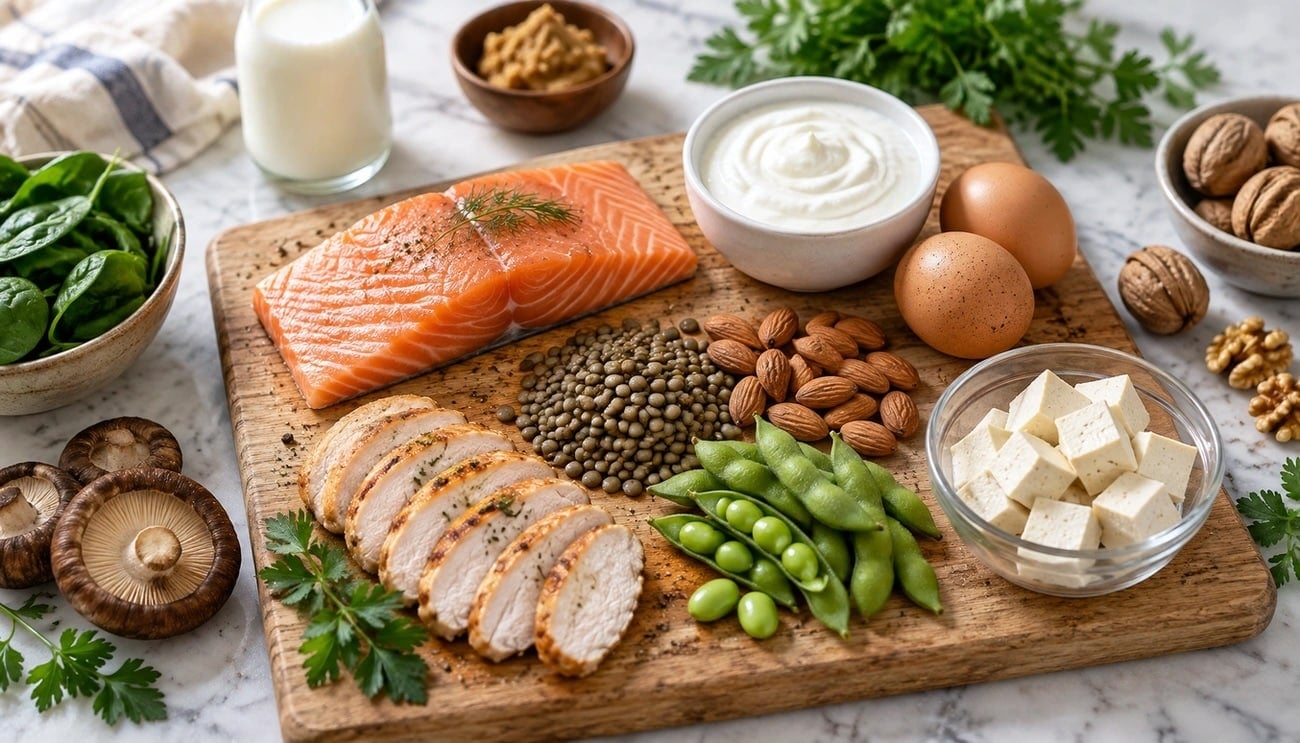
The research is clear: diets rich in whole grains, fruits, vegetables, nuts and legumes are associated with a 20% reduction in early death risk [5]. These nutrient-dense foods deliver essential fiber, vitamins, and minerals your body needs to thrive.
Start with simple additions rather than drastic eliminations. Add an extra vegetable to dinner. Swap refined grains for whole options. Incorporate nuts and seeds into your breakfast. Small changes make a significant difference—improving just 1% each day compounds to remarkable results over time.
Whole Food Priorities Include:
- Fruits and vegetables (fresh, frozen, or canned without added sugar/salt)
- Whole grains like brown rice, quinoa, and oats
- Lean proteins including beans, lentils, and fish
- Healthy fats from sources like avocados, nuts, and olive oil
Cut Back on Processed and Sugary Foods
The average American consumes significantly more added sugar than recommended—the upper limit is just 6 teaspoons daily for women and 9 for men [6]. Reducing processed food intake represents one of the most impactful dietary changes you can make.
Skip the all-or-nothing approach. Try progressive reduction instead. Start by identifying your highest sources of added sugar, which often hide in non-dessert foods like cereals, sauces, and yogurts [16]. Read nutrition labels carefully, checking for added sugars and ingredients you don’t recognize [2].
Replace sugary beverages with water, unsweetened tea, or sparkling water [18]. Work on reducing processed foods by choosing items with recognizable ingredients and minimal additives [2].
Plan Simple Meals at Home
Meal planning serves as your roadmap for healthy eating success. People who cook at home generally consume fewer calories and less sugar, salt, and fat compared to those who eat out frequently [19].
Begin by planning just 2-3 meals per week [2]. Choose recipes with overlapping ingredients to minimize waste and maximize efficiency. You don’t need to cook seven dinners weekly—plan for strategic leftovers or simple meals on busy nights [19].
Keep it realistic. Batch-cook grains and proteins on weekends. Prep vegetables in advance. Utilize time-saving tools like slow cookers [2]. We are here to help you succeed with practical approaches that fit your real life.
Stay Consistent with Grocery Shopping
Grocery shopping becomes much easier with preparation. Research shows people who shop with a grocery list tend to make healthier food choices [9]. Create your list based on planned meals and staples that need replenishing.
Shop strategically—navigate primarily along the perimeter where fresh foods are typically located [10]. Be selective in interior aisles when choosing canned and packaged goods, looking for options with minimal processing [10].
Stock up on pantry essentials like beans, whole grains, and canned vegetables (no salt added) when they’re on sale [11]. Prioritize seasonal produce for better flavor, nutrition, and value [9].
Consistent habits around shopping and meal preparation create a structure that makes healthy eating sustainable throughout the year—perfect for maintaining your wellness goals beyond February.
Movement That Actually Feels Good
Physical activity works best when it doesn’t feel like punishment. Research shows that finding enjoyable ways to move your body increases the likelihood of maintaining your fitness routine throughout the year.
We are here to help you exceed your goals using movement you actually enjoy.
Find an activity that fits your lifestyle
Choose activities you genuinely enjoy. When movement doesn’t feel like a chore, you’ll look forward to doing it regularly. Exercise experts point out, “It’s so much easier to stay consistent with an activity you like” [12]. This enjoyment naturally breeds consistency—critical for making your new year wellness resolutions stick.
Consider exploring these options:
- Dancing to your favorite music
- Walking or hiking outdoors
- Swimming or water aerobics
- Yoga, Pilates, or stretching
- Team sports or fitness classes
Anything that engages your muscles and gets your heart pumping counts toward your health goals [13]. Even household chores like cleaning or gardening qualify as movement [12].
Set movement reminders during the day
Long periods of sitting harm good circulation [14]. Small bursts of activity throughout your day add up to significant health benefits [15]. Set timers on your phone or computer to prompt short movement breaks [16].
These “movement snacks” or “exercise snacks” can be as brief as 5-10 minutes yet still contribute meaningfully to your overall fitness [17]. Try chair squats during phone calls, desk push-ups while waiting for your computer to boot up, or simply walking around your workspace [16]. Taking the stairs instead of the elevator provides another simple way to incorporate movement into regular routines [18].
Use walking as a daily wellness tool
Walking remains one of the simplest yet most effective forms of exercise—what health experts call “the closest thing we have to a wonder drug” [19]. Just 30 minutes of brisk walking daily (about 3,000 steps) delivers remarkable benefits [20].
Short, frequent walks can improve your physical health, reduce stress, boost mood, enhance sleep quality, and strengthen your immune system [21]. Vary your walking routine to maintain interest—try different routes, listen to podcasts or music, or invite a friend to join you [21].
Walking also serves as an excellent opportunity to connect with others—whether walking meetings with colleagues or neighborhood strolls with family [22]. Walking can help tame sugar cravings, potentially supporting other wellness goals [19].
Support Your Mental and Emotional Health
Mental health forms the foundation of your wellness journey. We believe your emotional wellbeing directly impacts your physical health and vice versa.
Try Short Daily Meditation or Breathing
Short meditation sessions can significantly boost your mental health with minimal time investment. Research shows that regular breath-focused meditation enhances attention, reduces mind wandering, and improves emotional regulation [23]. You don’t need hours of meditation—even 2-5 minutes daily offers substantial benefits when practiced consistently.
For beginners, try the simple 4-7-8 breathing technique: breathe in for 4 seconds, hold for 7 seconds, then exhale for 8 seconds [24]. This acts like your body’s natural tranquilizer, helping to shift your focus and calm your nervous system. Consistency matters more than duration—5 minutes daily provides greater benefits than a single hour-long session weekly [25].
Limit Screen Time to Reduce Stress
Excessive screen time directly impacts mental health. A recent study found that reducing smartphone use to two hours daily for just three weeks decreased depressive symptoms by 27%, increased wellbeing by 14%, and reduced stress by 16% [26].
We are committed to supporting you in our digital world. Create phone-free zones in your home, use screen time tracking apps, or try a digital sunset—putting devices away 1-2 hours before bedtime to improve sleep quality.
Practice Gratitude and Positive Self-Talk
Developing a gratitude practice offers remarkable benefits. Harvard researchers found that participants with the highest gratitude scores had a 9% lower risk of dying over a four-year period compared to those with the lowest scores [27]. Gratitude decreases stress hormones and may motivate better health behaviors like exercise and medical appointment attendance.
Try these simple practices:
- Share three things you’re grateful for during family meals
- Write thank-you notes to express appreciation
- Take moments to “savor” positive experiences fully
Positive self-talk works as your personal health detective for emotional wellness. Recognize negative thoughts and challenge them with more compassionate alternatives. This practice helps manage stress and builds resilience, making it easier to maintain your new year wellness resolutions long-term [7].
Make self-care and checkups a priority
Self-care forms the foundation of lasting wellness. These fundamental practices create the bedrock for achieving your new year goals.
Get better sleep with a wind-down routine
Quality sleep directly impacts your physical and mental wellbeing. Create a consistent bedtime routine lasting 30-60 minutes before sleep to signal your brain it’s time to rest [8]. Your wind-down ritual might include reading with soft lighting, taking a warm bath, or practicing gentle stretches [28].
Protect your sleep environment! Turn off electronic devices at least 30 minutes before bed [29]. These screens emit blue light that interferes with your natural sleep cycle. Maintain consistent sleep and wake times—even on weekends—as this trains your body’s internal clock for better sleep quality [30].
Schedule preventive health visits
Preventive care helps detect potential health problems before they become serious. People who receive regular checkups are more likely to get early diagnoses and better treatment outcomes [31]. Schedule annual wellness visits where your provider can monitor vital signs and recommend appropriate screenings based on your age, gender, and risk factors.
Preventive care reduces healthcare costs by catching conditions early when treatment is most effective [32]. Different screenings become important at various life stages—from basic physicals to specialized tests like mammograms or colonoscopies [31].
We are committed to supporting you through every stage of your health journey.
Take care of your oral health
Your mouth serves as a gateway to your overall health. Poor oral hygiene is linked to heart disease, diabetes, and even Alzheimer’s disease [33]. Brush twice daily with fluoride toothpaste and floss daily to remove plaque between teeth [4].
Dental checkups should occur at least once yearly—even if you’ve lost teeth or wear dentures [4]. During pregnancy, gum disease and cavities can affect your baby’s health, making dental care especially important [4].
Good oral health means good overall health. This creates a positive cycle for your wellness journey that extends far beyond February.
Your Wellness Goals Can Actually Work This Time
Sustainable wellness doesn’t need dramatic overhauls or perfect execution. Small, consistent actions that fit your real life create lasting change.
We’ve covered the essentials: micro-habits that build momentum, nutrition focused on adding rather than restricting, movement you actually enjoy, and mental health practices that take just minutes daily. Quality sleep and preventive care form the foundation supporting everything else.
Habit formation takes about 66 days. That’s longer than the quick results most people expect. Patience becomes your most valuable tool. Miss a day? Simply start again without self-criticism.
The 8% who succeed with their resolutions use strategy, not willpower. They focus on sustainable actions, track progress consistently, and celebrate small victories along the way.
We are committed to supporting you to live your best life!
Your wellness journey starts with today’s choices. Which small step feels right for you?
Key Takeaways
Transform your 2026 wellness goals from January enthusiasm to year-long success with these evidence-based strategies that focus on sustainable habits rather than dramatic overhauls.
• Start micro, think macro: Begin with tiny 1-2 minute daily habits like putting on workout clothes or drinking one extra glass of water—small actions compound into major transformations over time.
• Focus on addition, not elimination: Add whole foods, vegetables, and movement to your routine rather than restricting everything you enjoy, making changes feel positive and sustainable.
• Choose enjoyable movement: Find physical activities you genuinely like, whether dancing, walking, or gardening—consistency comes naturally when exercise doesn’t feel like punishment.
• Prioritize mental wellness equally: Incorporate 2-5 minutes of daily breathing exercises, limit screen time, and practice gratitude to support both emotional health and physical goal achievement.
• Build your foundation first: Establish quality sleep routines and schedule preventive health checkups—these fundamental self-care practices support all other wellness efforts.
Remember, habit formation takes about 66 days on average, so patience and consistency matter more than perfection. The 8% who succeed with their resolutions focus on sustainable strategies, not willpower alone.
FAQs
Q1. How can I set realistic wellness goals for 2026? Start with small, achievable goals that fit your lifestyle. Use the SMART framework to make your goals specific, measurable, attainable, realistic, and time-bound. Focus on one or two goals at a time to prevent burnout and increase your chances of success.
Q2. What are some effective ways to build lasting healthy eating habits? Gradually add more whole foods to your meals, such as fruits, vegetables, and whole grains. Plan simple meals at home and stay consistent with grocery shopping. Cut back on processed and sugary foods by reading labels and making mindful choices. Remember, small changes can lead to significant improvements over time.
Q3. How can I incorporate more physical activity into my daily routine? Find activities you genuinely enjoy, whether it’s dancing, walking, or playing a sport. Set movement reminders throughout the day to break up long periods of sitting. Use walking as a daily wellness tool – even short, frequent walks can provide numerous health benefits.
Q4. What are some simple practices to support mental and emotional health? Try short daily meditation or breathing exercises, even just 2-5 minutes can make a difference. Limit screen time, especially before bed, to reduce stress. Practice gratitude and positive self-talk to improve overall well-being and resilience.
Q5. Why is self-care important for maintaining wellness goals? Self-care forms the foundation for achieving and maintaining wellness goals. Prioritize quality sleep with a consistent bedtime routine, schedule regular preventive health check-ups, and take care of your oral health. These fundamental practices support both physical and mental well-being, making it easier to stick to your other wellness resolutions.
References
[1] – https://www.forbes.com/sites/ronschmelzer/2025/12/06/make-2026-resolutions-stick-with-smarter-flexible-ai-help/
[2] – https://www.hellolingo.com/blog/wellbeing-goals
[3] – https://www.healthline.com/nutrition/realistic-new-years-resolutions
[4] – https://www.deltadentalia.com/a-healthy-life/healthy-living/keep-new-years-resolutions/
[5] – https://www.verywellmind.com/why-new-years-resolutions-fail-6823972
[6] – https://www.forbes.com/sites/kathycaprino/2019/12/21/the-top-3-reasons-new-years-resolutions-fail-and-how-yours-can-succeed/
[7] – https://www.bcm.edu/news/new-years-resolutions-why-do-we-give-up-on-them-so-quickly
[8] – https://www.rebeccafry.com/blog/why-most-new-year-s-resolutions-fail-and-what-to-do-instead
[9] – https://www.huffpost.com/entry/micro-habits-benefits_l_67aa0d0ce4b0ade4a9a34ed5
[10] – https://www.urmc.rochester.edu/eap/news-and-events/blog/may-2024/achieve-more-with-micro-habits
[11] – https://mooremomentum.com/blog/100-powerful-micro-habits-the-tiny-changes-that-create-results/
[12] – https://www.massgeneralbrigham.org/en/about/newsroom/articles/healthy-new-year-goals
[13] – https://today.marquette.edu/2024/01/wellness-weekly-how-to-make-and-keep-your-new-years-resolution/
[14] – https://health.ucdavis.edu/blog/cultivating-health/7-tips-to-keep-your-new-years-resolution/2022/12
[15] – https://www.healthonecares.com/healthy-living/blog/what-science-says-about-how-to-stick-with-your-new-years-resolutions
[16] – https://www.healthstarpremiermedical.com/article/setting-realistic-health-goals-for-the-new-year
[17] – https://www.ama-assn.org/public-health/prevention-wellness/diet-patterns-can-boost-longevity-cut-chronic-disease
[18] – https://www.eatingwell.com/article/7882092/clean-eating-meal-plan-for-beginners/
[19] – https://www.nhs.uk/live-well/eat-well/how-to-eat-a-balanced-diet/how-to-cut-down-on-sugar-in-your-diet/
[20] – https://www.healthline.com/nutrition/healthy-grocery-shopping-guide
[21] – https://www.heart.org/en/healthy-living/healthy-eating/eat-smart/sugar/tips-for-cutting-down-on-sugar
[22] – https://www.brownhealth.org/be-well/meal-planning-101-how-eat-healthy-and-save-time-and-money
[23] – https://www.goodhousekeeping.com/health/diet-nutrition/a40365021/healthy-grocery-list/
[24] – https://www.heart.org/en/healthy-living/healthy-eating/cooking-skills/shopping/grocery-shopping-tips
[25] – https://www.myplate.gov/eat-healthy/healthy-eating-budget/make-plan
[26] – https://memorialhermann.org/health-wellness/fitness/incorporating-health-exercise-busy-schedule
[27] – https://www.movebettertherapy.com/maintain-your-new-years-fitness-resolution/
[28] – https://www.petesrealfood.com/blogs/blog/8-tips-to-incorporate-more-daily-movement-in-your-routine?srsltid=AfmBOoqNKHZR6uz60PWYNzTyfLZhOFZotQ-NCG9wvXsc0R77b3fTdOPN
[29] – https://odphp.health.gov/moveyourway
[30] – https://wellness.ucdavis.edu/article/mini-workouts-10-movements-to-stay-fit-when-busy/
[31] – https://www.usahealthsystem.com/wellness/move-more
[32] – https://www.heart.org/en/healthy-living/fitness/getting-active/no-time-for-exercise-here-are-7-easy-ways-to-move-more
[33] – https://www.health.harvard.edu/staying-healthy/5-surprising-benefits-of-walking
[34] – https://healthy.kaiserpermanente.org/southern-california/health-wellness/healtharticle.benefits-of-walking
[35] – https://www.mayoclinic.org/healthy-lifestyle/fitness/in-depth/walking/art-20046261
[36] – https://hw.qld.gov.au/blog/20-fun-ways-to-get-30-minutes-of-physical-activity-today/
[37] – https://positivepsychology.com/meditation-techniques-beginners/
[38] – https://www.lung.org/blog/stress-breathing-exercises
[39] – https://www.headspace.com/meditation/short-meditation
[40] – https://pmc.ncbi.nlm.nih.gov/articles/PMC11846175/
[41] – https://www.health.harvard.edu/blog/gratitude-enhances-health-brings-happiness-and-may-even-lengthen-lives-202409113071
[42] – https://positivepsychology.com/positive-self-talk/
[43] – https://www.sleepfoundation.org/sleep-hygiene/bedtime-routine-for-adults
[44] – https://www.health.harvard.edu/staying-healthy/sleep-hygiene-simple-practices-for-better-rest
[45] – https://mentalhealthfirstaid.org/news/how-and-why-to-practice-self-care/
[46] – https://health.clevelandclinic.org/sleep-hygiene
[47] – https://www.hopkinsmedicine.org/health/treatment-tests-and-therapies/routine-screenings
[48] – https://www.sjpp.org/news/the-importance-of-regular-check-ups/
[49] – https://pmc.ncbi.nlm.nih.gov/articles/PMC9515542/
[50] – https://www.cdc.gov/oral-health/prevention/oral-health-tips-for-adults.html