Dr. Lidia Malaty is a Registered Clinical Pharmacist, and Dr. Roy’s wife with more than a decade of experience specializing in high-quality patient care. As a graduate of The Ohio State University, Lidia began her career at MetroHealth County Hospital in Cleveland, Ohio, where she met Dr. Roy.
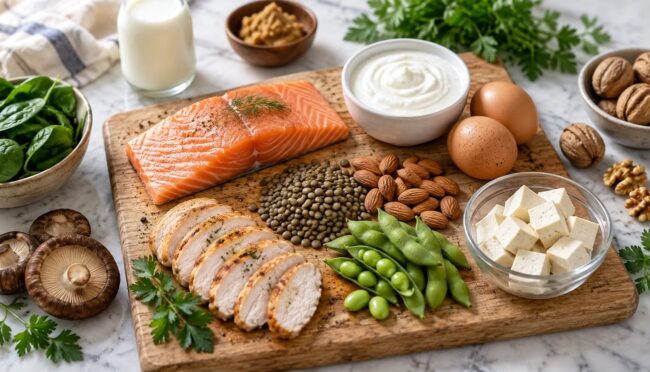
Peptides help regulate processes ranging from blood sugar control and appetite to muscle recovery and tissue repair. Learn how protein-rich foods support your body’s natural peptide production—and how personalized functional medicine can help address your metabolic health goals.
Summer holidays can leave busy mums exhausted, dehydrated, and struggling to return to their normal routine. Learn how Myers Cocktail IV therapy delivers a targeted blend of vitamins, minerals, and hydration to support energy, mental clarity, immunity, and post-holiday recovery.
Peptide therapy is no longer just a conversation for elite athletes. Fitness enthusiasts, weekend warriors, and active individuals are all asking the same question — can peptides help me recover faster and perform better? The answer is promising. Bioactive peptides can be absorbed intact and have shown positive effects on health-related parameters such as hypertension,…
Can peptides help athletes recover faster, build muscle, and protect connective tissue? Explore what current research says about collagen peptides, protein hydrolysates, BPC-157, TB-500, and other performance-focused options—including where the evidence is strong and where important safety questions remain.
Fall in Central Texas brings shifting temperatures, seasonal allergens, hectic schedules, and greater exposure to seasonal illnesses. Discover how personalized IV infusion treatments at AustinMD Aesthetics & Wellness can deliver hydration and essential nutrients directly into the bloodstream to support your immune health, energy, and overall wellness.
School-aged children catch 6 to 12 colds or illnesses every school year on average[1]. That number adds up fast. Research shows that people who get less than 7 hours of sleep a night are 3 times more likely to catch a cold compared to those who get 8+ hours[2]. We believe that preventing back-to-school illness…
Natural peptide production drops 60% between ages 20 and 60. That single fact explains a great deal about why skin loses firmness, resilience, and vitality over time. This decline directly affects collagen synthesis, skin barrier function, and the cellular repair processes that keep your complexion looking its best. We have seen real positive skin health results…
The most effective longevity protocols combine evidence-based peptide selection with consistent biomarker monitoring, resistance training, and adequate protein intake. Focus on interventions with documented human outcomes that address your specific aging mechanisms. Finding the best peptides for longevity means cutting through the hype[1]. Peptides function as signaling molecules that coordinate tissue healing, hormonal balance, and…
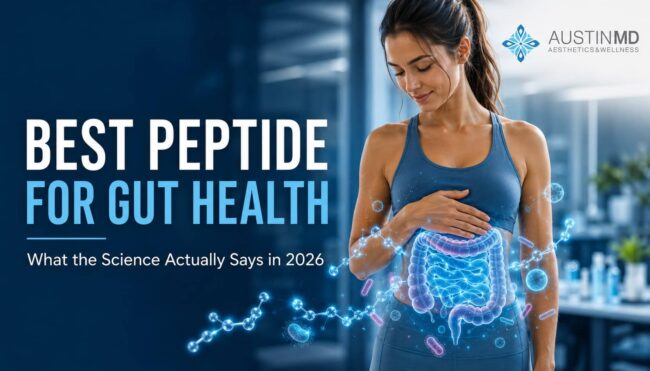
Peptides are everywhere right now. The search for the best peptide for gut health has exploded across wellness communities[1]. Here is what most people miss — your body already produces hundreds of peptides every day to regulate digestion and immune function[1]. While peptide therapy shows real promise, most research on gut health peptides like BPC-157…
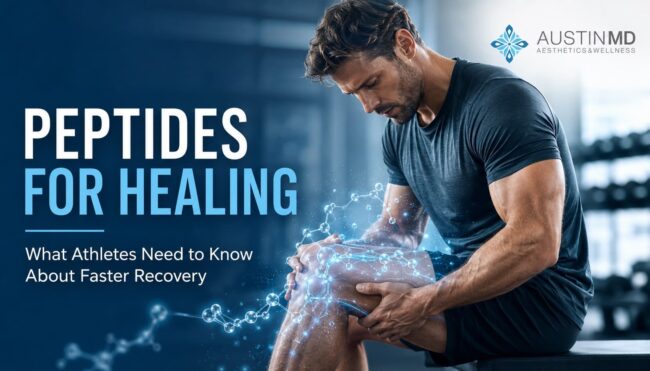
Peptides for healing are gaining serious attention among athletes and fitness enthusiasts. The wellness industry has expanded rapidly, and with it, a growing interest in optimizing physical performance and recovery[1]. Many athletes turn to Peptide Therapy hoping these compounds will accelerate muscle repair and reduce downtime between training sessions. The claims are widespread. Peptides for…