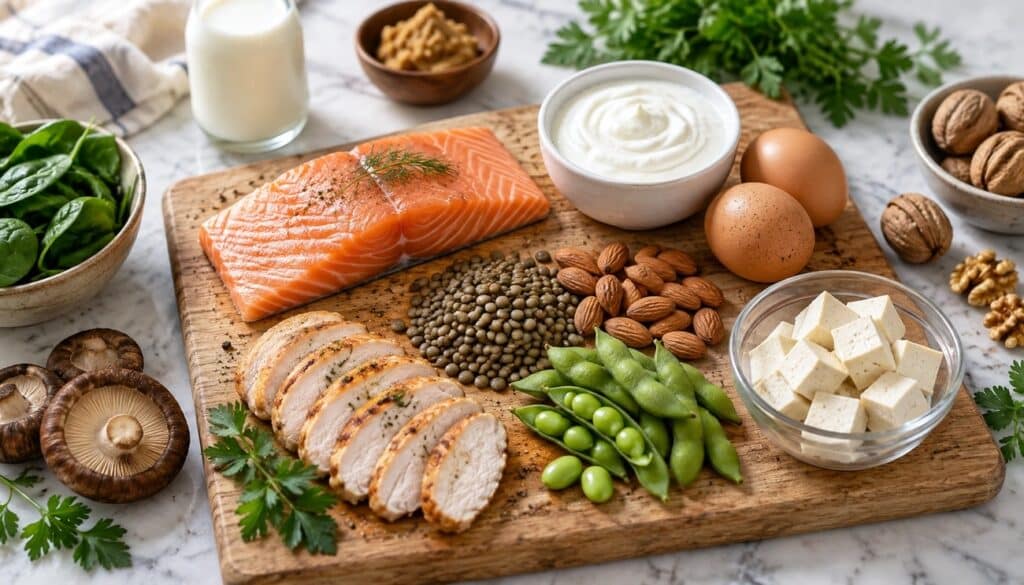
What are peptides? Short chains of amino acids — naturally present in the foods you eat and within your own cells. Peptides are vital components in nutrition, with physiological advantages that go well beyond a basic diet. Your body produces numerous important peptides that regulate blood sugar, support skin and joint health, and enhance muscle recovery. Bioactive peptides derived from dietary proteins demonstrate various regulatory effects on metabolic homeostasis.
Your diet plays a bigger role in peptide production than most people realize. The right foods provide the raw materials. Your body does the rest.
At AustinMD, we integrate this nutritional science with advanced Peptide Therapy, including Tirzepatide, to support your Metabolic Optimization and Weight Management goals. Through a personalized, Functional Medicine approach — we address the root cause, not just the symptoms.
Key Takeaways
Optimize your peptide production through diet — and your metabolic health follows.
- Peptides are short amino acid chains (2-50 units). They regulate virtually every body process, from blood sugar control to muscle recovery. Your body naturally produces over 7,000 of them.
- Strategic protein intake of 1.6g/kg daily, spread across 4+ meals, maximizes peptide production. Muscle synthesis and metabolic function improve alongside it.
- Eggs, dairy, fish, legumes, and fermented foods are your best dietary allies. Food-derived peptides from these sources enhance insulin sensitivity, inhibit fat-storing enzymes, and reduce inflammation.
- Tirzepatide activates both GLP-1 and GIP receptors at once. Average weight loss of 12-18%, with measurable improvements in glycemic control and body composition.
- Peptide-rich nutrition paired with advanced therapy and comprehensive lab testing addresses metabolic dysfunction at the root cause. Sustainable results — not just symptom management.
We believe diet and clinical science work best together. At AustinMD, we combine nutritional optimization with evidence-based Peptide Therapy to create measurable, lasting improvements in your metabolic markers, body composition, and long-term health. We are committed to supporting you to live your best life!
What Are Peptides and What Do They Do
Short Chains of Amino Acids Explained
Amino acids link together through peptide bonds to form peptides. Think of it as a molecular assembly line — each amino acid connects to the next, releasing water as it bonds, until a defined chain takes shape. One end carries a free amine group. The other carries a carboxyl group. The sequence between them determines everything the peptide does.
Size determines classification. Peptides typically contain between 2 and 50 amino acids. Chains of fewer than 20 are classified as oligopeptides — dipeptides, tripeptides, tetrapeptides. Once a chain exceeds approximately 50 amino acids, it crosses into protein territory.
This distinction matters. Peptides occupy a functional middle ground: large enough to fold into defined three-dimensional shapes and recognize specific molecular targets, yet small enough to act as rapid signaling molecules.
Your body’s peptide architecture is vast. Over 7,000 naturally occurring peptides regulate virtually every physiological process — growth hormone secretion, tissue repair, immune surveillance, neurotransmission, pain modulation, appetite regulation, sleep, and cellular energy production. Insulin is a 51-amino-acid peptide hormone. Oxytocin is a peptide. Growth hormone releasing hormone is a peptide. These molecules form the foundation of your body’s communication network.
Endogenous vs. Exogenous Peptides
Your body makes its own peptides. These endogenous signaling molecules regulate metabolic pathways, modulate hormone release, and coordinate cellular responses. Studies indicate that between 15 and 40 percent of all protein-protein interactions in human cells are mediated by peptides.
Exogenous peptides come from outside — your food. Dietary proteins provide the amino acid building blocks your body reassembles into bioactive peptides during digestion. Fermented foods, dairy products, marine sources, and both animal and plant proteins contain peptide precursors that support your body’s own production.
Therapeutic peptides represent a third category. These are synthetic versions of naturally occurring signaling molecules, designed to supplement specific pathways that have declined with aging, disease, or metabolic dysfunction. Tirzepatide exemplifies this approach. Rather than introducing foreign compounds, therapeutic peptides work within your existing regulatory framework — signaling cells to activate processes your body already has the machinery to perform.
How Peptides Signal Biological Processes
Peptides are chemical messengers. One cell releases a peptide. It travels through the bloodstream and binds to specific receptors on target cells. That binding event triggers a cascade of intracellular responses that alter cellular behavior.
The mechanism works like a lock and key — governed by molecular shape and charge. The peptide’s amino acid sequence determines which receptor it engages. When the fit is right, the receptor undergoes a conformational change. That shape change is what the cell reads as a signal. Not the binding itself. The change.
Peptide-receptor pairs bind with high affinity and demonstrate extraordinary specificity, recognizing only the intended target among thousands of cell-surface molecules. Most peptide signaling occurs through G-protein-coupled receptors or receptor tyrosine kinases. Once activated, these receptors initiate amplification cascades that ultimately produce responses through changes in gene expression or protein activity.
This is why therapeutic peptides like Tirzepatide produce targeted metabolic effects. Activating GLP-1 and GIP receptors signals your cells to optimize glucose handling and enhance satiety — without overriding your body’s natural regulatory systems. The peptide works as an instruction, not an intervention. It amplifies what your body already knows how to do.
How Do Peptides Work in Your Body
Peptides don’t act randomly. They work through precise molecular interactions — cascading through multiple regulatory layers to produce coordinated biological effects. Three interconnected processes drive it all: receptor binding, pathway activation, and metabolic coordination.
Peptide Receptor Interactions
Most regulatory peptides activate target cells by binding to G-protein-coupled receptors (GPCRs) on cell surfaces. Over 100 GPCRs respond to peptide ligands, making this receptor family the primary interface between peptide signals and cellular responses. Peptides engage both the receptor’s helical cavity and its extracellular loops through polar interactions. Salt bridges and hydrogen bonds anchor the peptide firmly within the receptor’s binding pocket.
Think of it as a lock-and-key system. Each peptide has a specific shape. Each receptor has a specific lock. Only the right key triggers a response.
The relationship is more nuanced than simple one-to-one pairing, though. Each receptor responds to an average of 2.9 peptide ligands, while each peptide can activate an average of 1.9 receptors. This creates signaling flexibility — a single peptide coordinating multiple physiological processes simultaneously. The peptide hormone relaxin-3, for instance, interacts with multiple unrelated receptors, including RXFP3 and RXFP4. Opioid peptides engage both classical opioid receptors and atypical chemokine receptors.
Beyond GPCRs, peptides also modulate ion channels, receptor tyrosine kinases, and receptor guanylyl cyclases. Bioactive peptides derived from casein and whey proteins, for example, activate calcium-sensing receptors on enteroendocrine L-cells — triggering a signaling cascade that ultimately stimulates GLP-1 secretion. One peptide. Multiple downstream effects.
Metabolic Pathway Regulation
Once a peptide binds its receptor, the signal travels through intracellular kinase networks. Bioactive peptides activate phosphatidylinositol 3-kinase, protein kinase B, and mitogen-activated protein kinase/extracellular signal-regulated kinase pathways — all of which regulate insulin signaling and glucose metabolism at multiple nodes.
Peptides also influence gene expression directly. Peroxisome proliferator-activated receptor gamma and forkhead box O1 are key transcription factor targets. These factors govern glucose and lipid metabolism. When peptides alter their activity, the metabolic shifts that follow are sustained — not temporary. Peptides can even modify epigenetic marks, including histone modifications and DNA methylation, producing long-term changes in metabolic function and insulin responsiveness.
The bottom line? Peptides don’t just trigger immediate cellular responses. They reprogram metabolic machinery at the genetic level. Their effects are both rapid and enduring.
Hormone Modulation and Glycemic Control
Peptide hormones regulate blood sugar through coordinated effects on insulin, glucagon, and incretin pathways. GLP-1 stimulates insulin release, inhibits glucagon production, and slows gastric emptying. Crucially, GLP-1 activates only when blood glucose rises — a glucose-dependent mechanism that explains why GLP-1-based approaches carry remarkably low hypoglycemia risk.
Dietary peptides extend GLP-1’s effectiveness even further. Peptides derived from whey proteins and rice bran act as competitive inhibitors of DPP-4, the enzyme that degrades GLP-1. Block DPP-4, and GLP-1 stays active longer — enhancing glucose-dependent insulin production and improving metabolic outcomes.
At AustinMD, we apply this science directly through Tirzepatide Therapy. Tirzepatide activates both GLP-1 and GIP receptors simultaneously — coordinating complementary metabolic pathways. GLP-1 receptor activation enhances insulin secretion and suppresses appetite. GIP receptor activation optimizes nutrient sensing and metabolic efficiency. Together, they address the root causes of metabolic dysfunction — not just the symptoms.
We pair this with comprehensive metabolic assessment and nutritional optimization. Because peptide science works best when it’s personalized.
Natural Peptides: Food Sources That Boost Production
Dietary proteins are your body’s primary external source for peptide production. Through enzymatic breakdown during digestion, your body extracts bioactive peptides directly from food. Fermentation and food processing can release these compounds even before consumption. Eggs, milk proteins like casein and whey, and meat proteins are among the most widely used sources for bioactive peptide extraction. These food-derived peptides influence multiple body systems after absorption — producing effects that go well beyond basic nutrition.
Animal-Based Protein Sources
Eggs. Dairy. Meat. These are some of the most concentrated sources of bioactive peptides available.
Defatted egg yolk proteins contain peptides with antioxidant, antimicrobial, and ACE-inhibitory properties. Milk proteins, particularly casein and whey, generate numerous bioactive sequences during digestion. Casein makes up approximately 80 percent of total protein in bovine milk, releasing peptides known as casokinins during proteolysis. Whey proteins — including beta-lactoglobulin and alpha-lactalbumin — produce lactokinins with documented cardiovascular benefits.
Fermentation unlocks even more. The tripeptides Val-Pro-Pro and Ile-Pro-Pro, released during milk fermentation with Lactobacillus helveticus, demonstrate robust ACE-inhibitory effects. Studies in hypertensive individuals show these peptides reduce blood pressure after daily ingestion of fermented milk containing approximately 2.6 mg of ACE-inhibitory peptides. Meat proteins from beef, chicken, and pork support muscle growth and tissue repair through bioactive peptides generated via enzymatic hydrolysis.
Plant-Based Peptide Precursors
Plant proteins are more powerful than most people realize.
Soy protein stands as the major plant source producing peptides with antihypertensive, anticholesterol, and antioxidant activities. Processing soy in the gastrointestinal tract increases its healthful effects by exposing active groups within the amino acid chain. Beyond soy, bioactive peptides derive from oats, pulses — chickpea, beans, peas, and lentils — canola, wheat, flaxseed, and hemp seed.
Legumes offer high protein content alongside dietary fiber, vitamins, and minerals. Soybean, mung bean, lentil, chickpea, and common bean have all been used to generate peptides with documented anti-cancer potential. Whole grains like quinoa, brown rice, oats, and barley contribute their own beneficial peptides through digestion. One consideration worth noting: cereals tend to be low in lysine, while legumes show deficiency in sulfur amino acids like methionine and cysteine. Combining both categories helps close those nutritional gaps.
Marine and Dairy-Derived Peptides
Looking beyond land-based sources? Marine organisms offer structurally diverse bioactive compounds with impressive biological activity.
Fish, squid, salmon, sea urchin, oyster, seahorse, and snow crab have all been used to extract bioactive peptides. Fish-derived peptides demonstrate antioxidant, antihypertensive, anti-diabetic, and antimicrobial properties. Marine collagen — sourced primarily from fish skin and scales — contains types I and III collagen with smaller peptide molecules that may absorb more efficiently than bovine sources.
Dairy-derived peptides target satiety pathways directly. They influence GLP-1, CCK secretion, and DPP-IV activity. Casein peptides predominantly support GLP-1 and CCK secretion. Whey peptides work through CCK, serotonin, and ghrelin pathways. Glycomacropeptide — a 64-amino-acid peptide derived from bovine casein — demonstrates satiety effects and promotes the growth of beneficial gut bacteria.
Your skin is the fingerprint of what is going on inside your body. What you eat shapes that picture from within.
Fermented Foods and Bioactive Peptides
Fermented foods and bioactive peptides? A powerful combination.
Fermentation produces bioactive peptides through the metabolic activity of microorganisms that convert macromolecules into bioactive components. Lactic acid bacteria employ proteolytic systems — using proteases, peptidases, and membrane transport proteins — to release peptides from food matrices. This approach proves more cost-effective than traditional enzymatic hydrolysis.
Fermented dairy products like yogurt and kefir contain peptides derived from casein and whey proteins through the proteolytic activity of Lactobacillus bulgaricus and Streptococcus thermophilus. Fermented soy products like miso and tempeh, along with fermented legumes and cereals, contain peptides with antihypertensive and antioxidant activities.
At AustinMD, we integrate these nutritional strategies with advanced Peptide Therapy. Dietary optimization and targeted peptide signaling — working together. That is how we address metabolic health at the root cause.
Peptide Benefits for Metabolic Health
Bioactive peptides address metabolic dysfunction at multiple levels — glucose regulation, fat metabolism, lipid profiles, and inflammatory pathways. The effects operate cellularly, hormonally, and genetically. The result? Restored metabolic balance.
Glycemic Control and Insulin Sensitivity
Blood sugar out of balance? Bioactive peptides work through several interconnected pathways to lower blood glucose. Peptides derived from oat protein hydrolysate reduced blood glucose in diabetic mice by affecting insulin secretion, insulin sensitivity, and glycogenesis. These peptides inhibit α-amylase and α-glucosidase — the enzymes responsible for breaking down complex carbohydrates into absorbable sugars. The tripeptide KLPGF from egg albumin demonstrated α-glucosidase inhibitory activity with IC50 values of 59.5 μM.
Peptides also enhance insulin function directly. They activate the IRS-1/PI3K/Akt pathway, facilitating glucose uptake in skeletal muscle and adipose tissue. Egg white hydrolysate reversed insulin resistance through increased phosphorylation of IRS-1 at tyrosine residues and Akt, while decreasing problematic IRS-1 serine phosphorylation. Oral administration to high-fat diet fed rats improved both glucose and insulin tolerance.
GLP-1 activates only when blood glucose rises — a glucose-dependent mechanism that significantly reduces hypoglycemia risk. Bioactive peptides extend GLP-1’s effectiveness by inhibiting DPP-IV, the enzyme that degrades incretin hormones. Peptides from fish, amaranth, soy, and milk demonstrated DPP-IV inhibitory activity in vitro, with peptides like GPHypGPAG from porcine skin gelatin showing IC50 values below 50 μmol/L.
Adipose Tissue Reduction Mechanisms
Stubborn fat storage? Peptides target adipose tissue through direct cellular action and metabolic reprogramming. Certain peptides promote lipolysis — the breakdown of stored fat for energy — while supporting lean muscle maintenance. GLP-1 receptor agonists reduce adipose inflammation and improve microvascular function.
Bioactive peptides also inhibit fatty acid synthase, the enzyme responsible for fat production in adipocytes. Peptides identified in soybean β-conglycinin hydrolysate bind directly to the thioesterase domain of FAS, producing dose-dependent inhibition of lipid droplet accumulation in cultured adipocytes. These peptides prevent pre-adipocyte differentiation while promoting fatty acid oxidation through upregulation of PPARγ co-activator-1α and carnitine palmitoyltransferase.
Your body already has the machinery. Peptides give it the right instructions.
Lipid Metabolism and Cardiovascular Protection
Peptides regulate cholesterol through multiple pathways. Soybean hydrolysates promoted trans-intestinal cholesterol excretion by increasing ABCG5 and ABCG8 expression, accounting for approximately 40 percent of cholesterol excretion to feces. Administration of soybean-derived bioactive peptides to hyperlipidemic mice reduced serum cholesterol via upregulation of these transporters in the proximal intestine.
Plant-derived peptides inhibit HMG-CoA reductase — the rate-limiting enzyme in cholesterol synthesis. ApoC2 mimetic peptides activate lipoprotein lipase, producing more than 90 percent reduction in plasma triglycerides just three hours after administration. LDL goes down. HDL goes up. Cardiovascular risk follows.
Anti-Inflammatory Effects on Metabolic Function
Chronic inflammation is a root driver of metabolic dysfunction. Plant-derived bioactive peptides suppress inflammation by modulating MAPK and NF-κB pathways. The NF-κB pathway directly regulates inflammatory markers including IL-1β, IL-6, and TNF-α. Peptides with molecular weights below 1 kDa demonstrate the highest anti-inflammatory activity, with those around 500 Da showing the strongest effects.
Low-molecular-weight peptides resist enzymatic degradation, entering the bloodstream as intact structures to reach target organs. Dipeptides and tripeptides absorb directly via PepT1 transporters, which possess high transport capacity.
At AustinMD, we apply this scientific foundation through Tirzepatide Therapy. Activating both GLP-1 and GIP receptors, Tirzepatide coordinates glycemic control, adipose tissue optimization, and metabolic inflammation reduction — all within a Functional Medicine framework that identifies and addresses root causes, not just surface-level symptoms.
Clinical Applications: Tirzepatide and Advanced Peptide Therapy
Tirzepatide is FDA-approved Peptide Therapy — for both type 2 diabetes management and chronic weight management. This once-weekly injectable peptide works through a dual-receptor mechanism, addressing metabolic dysfunction at multiple points simultaneously.
GLP-1 and GIP Receptor Activation
Tirzepatide was engineered from the native GIP amino acid sequence and modified to activate both GIP and GLP-1 receptors. It binds GIP receptors with affinity equal to native GIP, while showing approximately five-fold weaker affinity for GLP-1 receptors compared to native GLP-1.
This imbalanced design is intentional — and therapeutically advantageous. Dose escalation for GLP-1 receptor activation can be limited by gastrointestinal effects, while GIPR engagement carries no such limitations. The result? Full engagement of both pathways with minimized tolerability concerns.
The dual-receptor activation coordinates metabolic effects that native incretin hormones already use to maintain homeostasis. GLP-1 receptor stimulation enhances glucose-dependent insulin secretion, suppresses glucagon release, slows gastric emptying, and reduces appetite through central nervous system pathways. GIP receptor activation regulates energy balance through signaling in brain and adipose tissue, enhances insulin sensitivity in adipocytes, and improves postprandial lipid clearance.
Two receptors. One peptide. Coordinated metabolic results.
Weight Management and Metabolic Optimization
The clinical data is striking. In 72-week trials involving 2,519 patients receiving Tirzepatide and 958 receiving placebo:
- Participants on 15 mg weekly doses lost an average of 18% of body weight in the non-diabetic cohort and 12% in the type 2 diabetes cohort
- 85% of participants on 5 mg, 89% on 10 mg, and 91% on 15 mg achieved 5% or more weight reduction — compared to just 35% with placebo
- 50-57% of participants on 10-15 mg doses achieved 20% or more body weight reduction, versus 3% in placebo groups
Body composition results are equally compelling. Tirzepatide reduced total body fat mass by 33.9% compared to 8.2% with placebo — demonstrating preferential fat loss over lean tissue. And 95.3% of participants with prediabetes at baseline reverted to normoglycemia by week 72, compared to 61.9% receiving placebo. Lipid profiles, insulin sensitivity markers, and inflammatory biomarkers all improved across prespecified cardiometabolic measures.
Integration with Comprehensive Health Assessments
At AustinMD, Tirzepatide therapy is not a one-size-fits-all protocol. We start with a thorough baseline assessment — comprehensive metabolic panel, lipid analysis, HbA1c, fasting insulin, thyroid function, and additional biomarkers relevant to your metabolic health. Your lab results guide everything. Dosing typically begins at 2.5 mg weekly and titrates upward based on your individual response and tolerance.
Peptide therapy is one powerful piece of a larger plan. Nutrition, sleep quality, exercise programming, stress management, and recovery strategies remain foundational. Structured follow-up tracks clinical response, laboratory changes, and protocol adjustments based on your unique physiology.
We are your personal health detectives — reviewing your history, reading your labs, and building a plan that is right for you.
Ready to find out if Tirzepatide is right for you? Dr. Roy and our medical team at AustinMD Aesthetics & Wellness design custom Peptide Protocols tailored to your biology, lifestyle, and lab results. Schedule Your Consultation Online today or call our Cedar Park clinic directly at +1 (512) 593-5605. Questions? We are here to help!
Dietary Strategies to Enhance Peptide Production
Strategic protein distribution amplifies your body’s peptide synthesis capacity. Knowing which foods help is only part of the picture. How much you eat, when you eat it, and how you live the rest of your day — all of it matters.
Optimizing Protein Intake for Peptide Generation
The research is clear. Consuming 1.6 g/kg/day supports maximal peptide-driven muscle protein synthesis in resistance-trained individuals. But total intake alone is not enough. Distribution matters just as much.
Consuming 0.4 g/kg per meal across a minimum of four daily meals optimizes anabolic signaling. For a 70 kg individual, that is approximately 28 grams of protein per meal, four times daily — totaling 112 grams. This meal frequency keeps amino acid availability consistently elevated, giving your body a steady supply for continuous peptide production throughout the day.
Simple. Consistent. Effective.
Combining Nutrition with Lifestyle Modifications
Hydration is often overlooked. Aim for 8-10 glasses of water daily to support metabolic processes and cellular signaling. Peptide synthesis depends on a well-hydrated internal environment.
Beyond nutrition, peptides amplify results when paired with foundational lifestyle factors:
- Consistent sleep architecture — your body repairs and produces peptides during deep sleep
- Structured movement protocols — exercise stimulates endogenous peptide release
- Stress management strategies — chronic stress disrupts hormonal signaling at every level
Nutrition provides the raw materials. Lifestyle optimizes the environment where peptides do their work.
The Role of Advanced Lab Testing in Personalized Plans
Where do you start? That is exactly the right question.
Comprehensive biomarker assessment guides individualized protocols. Metabolic panels, lipid profiles, insulin sensitivity markers, and inflammatory biomarkers establish your baseline physiology. Continuous monitoring then tracks your response and informs adjustments along the way.
At AustinMD, we combine Advanced Lab Analysis with evidence-based nutrition science to create personalized peptide protocols — tailored to your unique metabolic profile and health goals. We are your personal health detectives, researching your history and identifying the right path forward. No guesswork. Just precision.
Conclusion
Your body produces thousands of peptides naturally, and the foods you eat provide critical building blocks for this continuous synthesis. By the same token, strategic nutrition creates the foundation, while advanced peptide therapy like Tirzepatide amplifies your metabolic capacity through targeted receptor activation.
What is more, optimal results emerge when you combine dietary optimization with clinical precision. At AustinMD, we integrate comprehensive lab testing, personalized nutrition protocols, and Tirzepatide therapy to address metabolic dysfunction at its root cause. This functional medicine approach doesn’t just manage symptoms; it restores your body’s natural regulatory systems.
Indeed, when peptide science meets individualized care, transformation becomes measurable, sustainable, and profound.
Explore a Personalized Approach to Peptide and Metabolic Health
Looking for personalized support with nutrition, weight management, or metabolic health? At AustinMD Aesthetics & Wellness in Cedar Park, Texas, the functional medicine team can review your health history, nutrition, metabolic markers, and individual goals to determine which strategies may be appropriate for you.
Schedule a functional medicine consultation to discuss your next steps.
Prefer to speak with the team? Call +1 (512) 593-5605.
Get directions to AustinMD Aesthetics & Wellness
13625 Ronald Reagan Blvd, Building 10, Suite 200
Cedar Park, TX 78613
FAQs
Q1. What exactly are peptides and how do they function in the body? Peptides are short chains of amino acids, typically containing between 2 and 50 amino acids linked together. They act as chemical messengers that regulate virtually every physiological process in your body, including blood sugar control, hormone production, tissue repair, and metabolism. Your body naturally produces over 7,000 different peptides that bind to specific receptors on cells, triggering cascades of biological responses that coordinate everything from insulin secretion to appetite regulation.
Q2. Which foods are the best sources for boosting natural peptide production? Animal-based proteins like eggs, milk (casein and whey), fish, chicken, and beef are excellent sources of bioactive peptides. Plant-based options include soy, legumes (chickpeas, lentils, beans), whole grains (quinoa, oats, brown rice), and seeds. Fermented foods like yogurt, kefir, miso, and tempeh are particularly beneficial because fermentation releases bioactive peptides that are more readily absorbed. Marine sources such as fish collagen also provide structurally diverse peptides with multiple health benefits.
Q3. How do peptides help with weight management and blood sugar control? Peptides regulate metabolism through multiple mechanisms. They enhance insulin sensitivity, slow the breakdown of carbohydrates into sugars, and activate pathways that promote fat breakdown while preserving lean muscle. Certain peptides like GLP-1 stimulate insulin release only when blood glucose is elevated, reducing hypoglycemia risk. They also suppress appetite, slow gastric emptying, and reduce inflammation in fat tissue—all contributing to improved metabolic health and sustainable weight management.
Q4. Is Tirzepatide similar to other peptide medications like Ozempic? Tirzepatide differs from medications like Ozempic through its dual-receptor mechanism. While Ozempic activates only GLP-1 receptors, Tirzepatide activates both GLP-1 and GIP receptors simultaneously, coordinating multiple metabolic pathways. Clinical trials show participants on Tirzepatide lost an average of 18% of body weight in non-diabetic individuals and 12% in those with type 2 diabetes over 72 weeks, with 91% of participants on the highest dose achieving at least 5% weight reduction.
Q5. How much protein should I consume daily to optimize peptide production? Research indicates that consuming 1.6 grams of protein per kilogram of body weight daily supports optimal peptide-driven muscle protein synthesis. Distribution is equally important—aim for approximately 0.4 g/kg per meal across at least four daily meals. For a 70 kg (154 lb) person, this means about 28 grams of protein per meal, four times daily, totaling 112 grams. This meal frequency maintains elevated amino acid availability for continuous peptide production throughout the day.